

IMPRS for Synapses and Circuits
The International Max Planck Research School (IMPRS) for Synapses and Circuits provides innovative and individualized doctoral training in interdisciplinary neuroscience research.

The International Max Planck Research School (IMPRS) for Synapses and Circuits is a partnership between MPFI and Florida Atlantic University (FAU) and is the only IMPRS program in the United States. Our faculty share a central focus on understanding the basic neurobiology of the brain across different scales with state-of-the-art experimental approaches, ranging from the level of individual molecules within synapses to large-scale studies of neuronal ensembles during behavior.
Prospective Students
The IMPRS for Synapses and Circuits Ph.D. program brings together scientific excellence and exceptional training, within the leading scientific environment of the Max Planck Society. This unique program prepares students to build diverse and successful careers in neuroscience. Applications for August 2027 admission are now open. The application deadline is December 1.
Join us for an Information Session!
Meet faculty, students, and program administrators at our Webinar. Cant attend? Register for access to a recording of the session.

Why IMPRS for Synapses and Circuits?
Training in our program gives you the opportunity to be immersed in a highly creative, collaborative environment that builds on the latest technological advances to deliver fundamental new insights about neural circuits.
Scientists in the IMPRS program have the resources they need to do great science as evidenced by their publications.
In addition to our welcoming and flourishing Florida campus, students in the IMPRS program are part of the international Max Planck Society Network and engage in scientific interactions with other neuroscience IMPRS programs.
The Max Planck name is recognized globally as the leading non-profit research organization. 100% of our IMPRS graduates are successfully employed in science careers in academia, industry, and non-profits.
In addition to mentorship from experienced faculty, graduate students are part of the Max Planck Mentorship Program, where they choose a postdoc mentor to guide them through their early careers.
In addition to traditional coursework, students participate in hands-on technical workshops led by world experts, including Nobel laureates. Check out our Advanced Imaging course.
IMPRS Synapses and Circuits values its students. IMPRS students receive relocation reimbursement and assistance integrating into the IMPRS program, mental health resources, work-life balance in a family-friendly environment, student representation in the program steering committee, and much more.
Faculty & Research
Understanding how the outside world is perceived by the senses, encoded in the nervous system, placed in the context of the internal state, and translated into appropriate behavioral responses is the central challenge of neurobiology. Meeting this challenge requires forging links between different levels of analysis - genetic, molecular, cellular, circuit, behavioral, and computational - and developing new technologies that make cutting-edge scientific discoveries possible. With our faculty's mentorship and guidance, and supported with ample resources, IMPRS-SC students are taking on these fundamental neuroscience questions.
IMPRS for Synapses and Circuits Faculty
*Indicates faculty currently recruiting graduate students


![DSCF5063[4]](https://mpfi.org/wp-content/uploads/bb-plugin/cache/DSCF50634-300x450-square.jpg "DSCF5063[4]")







IMPRS for Synapses and Circuits Resources
IMPRS students benefit from a wide variety of state-of-the-art scientific resources and facilities, helping to drive forward excellence in research and curiosity-driven discovery.
Resources and facilities include:
- MPFI Electron Microscopy Core
- MPFI Light Microscopy Core
- MPFI Mechanical Workshop
- MPFI Molecular Virology Core
- FAU Imaging Core/Nikon Center of Excellence
- FAU Stiles-Nicholson Brain Institute
- FAU Advanced Scientific Training Laboratory
In addition to the scientific resources at Max Planck Florida Institute and FAU, our campus is also home to UF Scripps Biomedical Research which has additional scientific resources, such as high-throughput drug discovery pipelines.
Training
IMPRS Ph.D. students are immersed in a world-class neuroscience training environment working alongside scientists at the forefront of neuroscience research. All students in the IMPRS for Synapses and Circuits are enrolled in the degree-granting partner Integrative Biology - Neuroscience (IBNS) Ph.D. program at FAU. A comprehensive interdisciplinary neuroscience curriculum is offered by the IBNS Ph.D. program, which students usually complete in the first two years after admission.
In addition to the flourishing neuroscience campus in Jupiter, Florida, IMPRS students are part of a much larger network of leading neuroscientists through the Max Planck Society and Max Planck Neuroscience. IMPRS provides many unique opportunities for graduate students to establish meaningful relationships within this network and to take full advantage of the unmatched resources of the Max Planck Society.
Students are encouraged and provided funding to participate in jointly organized advanced scientific training workshops led by world experts, symposia, and extended research stays with other Max Planck Institutes.
IMPRS Ph.D. students receive well-rounded professional development and career education to excel in the changing landscape of scientific careers after graduation. IMPRS travel grants empower students to select meetings and courses to enrich their training and prepare for their career trajectory.
IMPRS students benefit from unique mentorship programs. In addition to the guidance and mentorship provided by the faculty advisor and thesis committee members, each IMPRS Ph.D. student is involved in the MPFI Mentorship Program. In this program, students choose a postdoctoral mentor from MPFI that they meet with periodically for advice throughout the entire period of their studies.

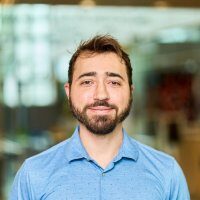
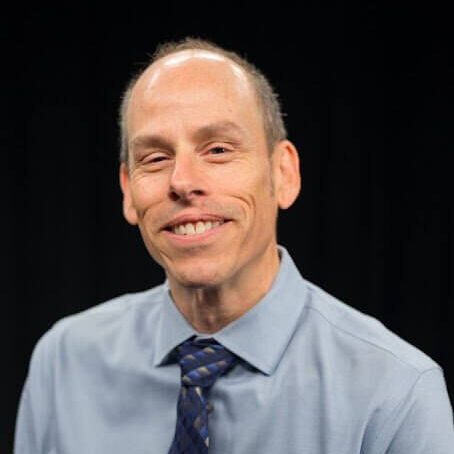
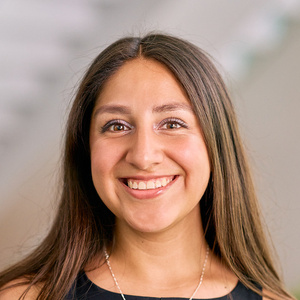
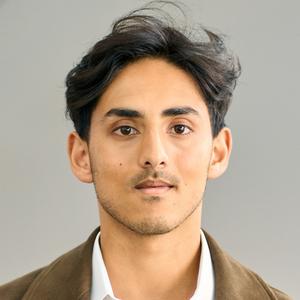
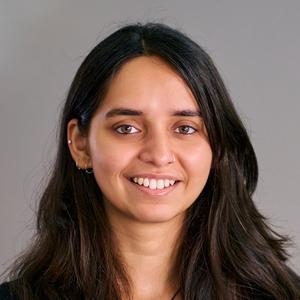
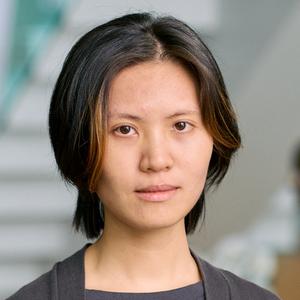
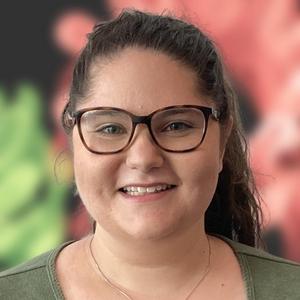
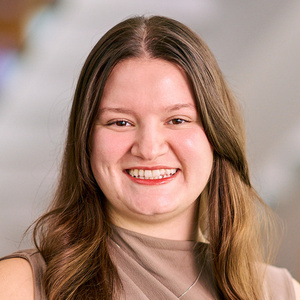
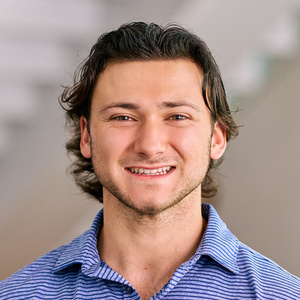
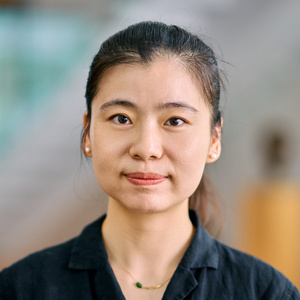
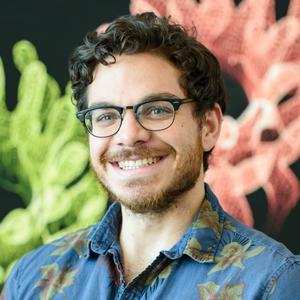
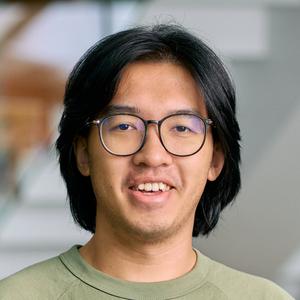
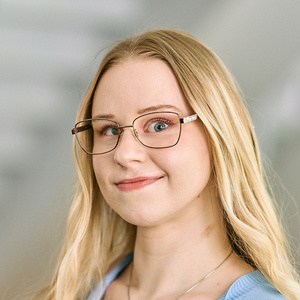
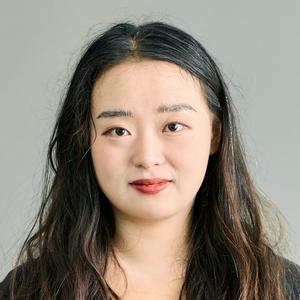
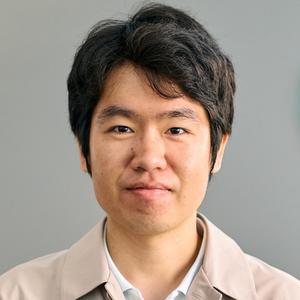
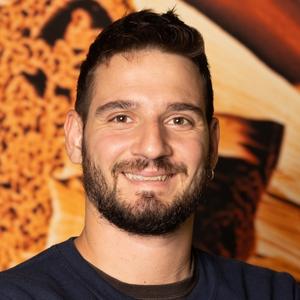
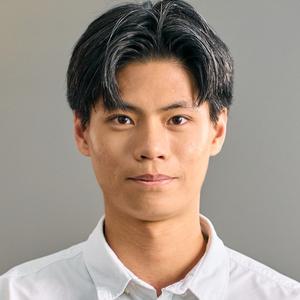
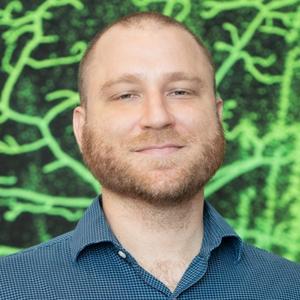
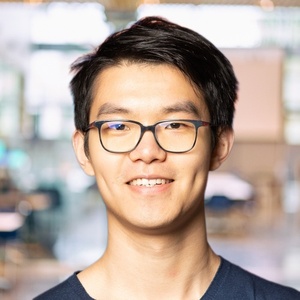
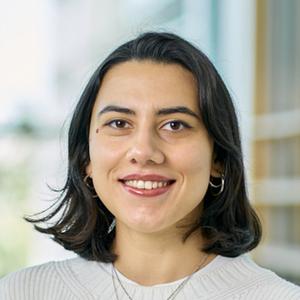
Current IMPRS Students

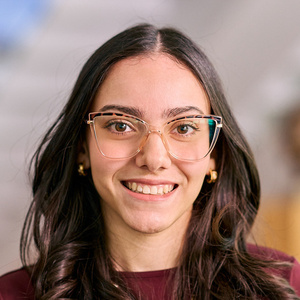
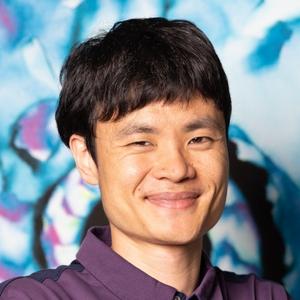
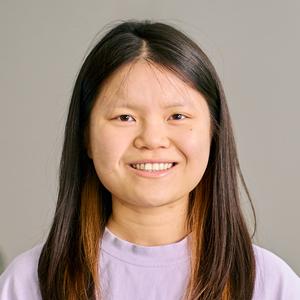
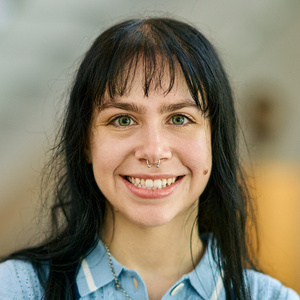




Admissions
Eligibility
The IMPRS for Synapses and Circuits encourages applications from students with a strong undergraduate background in neuroscience or a related discipline. Successful applicants have a solid track record in academics and research with strong motivation to pursue a Ph.D. The IMPRS for Synapses and Circuits welcomes both domestic and international applicants.
Admissions Requirements and Process
Applicants to the IMPRS-SC Ph.D. program must complete both the IMPRS-SC application and the FAU Integrative Biology Neuroscience PhD application.
The IMPRS-SC Application is due December 1st.
Required IMPRS-SC Application Components:
- Letter of Motivation: 1-2 pages describing qualifications and motivation for applying to IMPRS-SC including
- Research interests
- Previous research experience
- How these experiences have prepared you
- Long term academic and career goals
- Faculty research interest: List up to 3 IMPRS faculty members whose research interests you, and briefly explain why you're interested in working with each.
- Unofficial transcripts
- Contact information for 2 references
English language proficiency test results (TOEFL, IELTS, etc.) and GRE scores are not required, but may be provided by applicants.
Applications for the Integrative Biology - Neuroscience (IBNS) PhD program are due December 11th.
Please follow the application process and requirements listed on the FAU College of Science Integrative Biology - Neuroscience website for the Ph.D. application through GradCAS.
Acceptance into the IMPRS-SC Ph.D. program is based upon (1) the decision of the Selection Committee that the applicant is qualified for admission and (2) meeting the matriculation requirements of the partner university.
The IMPRS Admissions Committee will review all applications completed by the December 1 deadline. Top-ranking applicants will be invited to interview at a Selection Symposium in mid-February. The IMPRS Selection Symposium will include poster presentations by candidates to explain their previous research experience, individual interviews with faculty on the IMPRS Admissions Committee, and meetings between recruiting faculty and prospective students with matching research interests. Applicants will be notified of the final admission decision within two weeks of the Selection Symposium.
Frequently Asked Questions
You can make changes to your application as long as it has not been submitted. After completing the entire IMPRS application, you will be directed to a page to review entered information with options to make changes or confirm and submit the application.
Your application cannot be modified once it is formally submitted. However, you can edit, save, and revisit your application as many times as you wish before the deadline if you have not confirmed and submitted your application.
Your referees will be automatically contacted by the application portal as soon as you submit the referee contact details in the online application form. You will receive a notification once a referee has submitted a recommendation letter on your behalf, and you can track the status of your reference letters in the online application portal. You need to inform referees that you are requesting a reference for this program application well in advance of the deadline, and it is the applicant's responsibility to remind their referees to submit the letters before the December 1 deadline. There will be no exceptions for late submissions.
Please double-check that the referee's contact information, especially the email address, is correctly entered in the online application form. If the contact email is correct, please ask them to check their spam/junk folder to see if our email was blocked. If this is not the case, please contact the IMPRS-SC Coordination office.
Please see our IMPRS Application Walkthrough (PDF) that navigates through each screen in the online application.
IMPRS-SC Contact
IMPRS Coordination Office
Mike Guest, PhD
Email: imprs@mpfi.org
Recent Publications by IMPRS Students
Majumder, S., Hirokawa, K., Yang, Z., Jain, A., Paletzki, R., Gerfen, C. R., Fontolan, L., Romani, S., Yasuda, R., & Inagaki, H. K. (2026).
Chanda, K., Bapat, O., Wingfield, J. L., Avchalumov, Y., Kazantzis, M., Carter, J. P., Sharma, N., Davis, R., Yuan, J. X.-J., Rangaraju, V., & Puthanveettil, S. V. (2026)
Phillips, M. L., Urban, N. T., Salemi, T., Dong, Z., & Yasuda, R. (2026).
Heldman, R. , Pang, D., Zhao, X., Mensh, B., & Wang, Y. (2025).
Yang, Z., Inagaki, M., Gerfin, C.R., Fontolan, L., & Inagaki, H. K (2025).
Wang, J., Nishiyama, J., Parra-Bueno, P., Okaz, E., Oz, G., Liu, X., Watabe, T., Suponitsky-Kroyter, I., McGraw, T. E., Szatmari, E. M., & Yasuda, R. (2025).
Lempel, A. A., Trägenap, S., Tepohl, C., Kaschube, M., & Fitzpatrick, D. (2025).
Holford, T. W., Letourneau, K. N., Von-Walter, C., Moncaleano, D., Loomis, C. L, Bolton, M. M. (2025).
Omana Suarez, G., Kumar, D. S., Brunner, H., Knauss, A., Barrios, J., Emel, J., Teel, J., Botero, V., Broyles, C. N., Stahl, A., Bidaye, S. S., & Tomchik, S. M. (2025).
Sapkal, N., Mancini, N., Kumar, D. S., Spiller, N., Murakami, K., Vitelli, G., Bargeron, B., Maier, K., Eichler, K., Jefferis, G. S. X. E., Shiu, P. K., Sterne, G. R., & Bidaye, S. S. (2024).
Bapat, O., Purimetla, T., Kruessel, S., Shah, M., Fan, R., Thum, C., Rupprecht, F., Langer, J. D., & Rangaraju, V. (2024).


